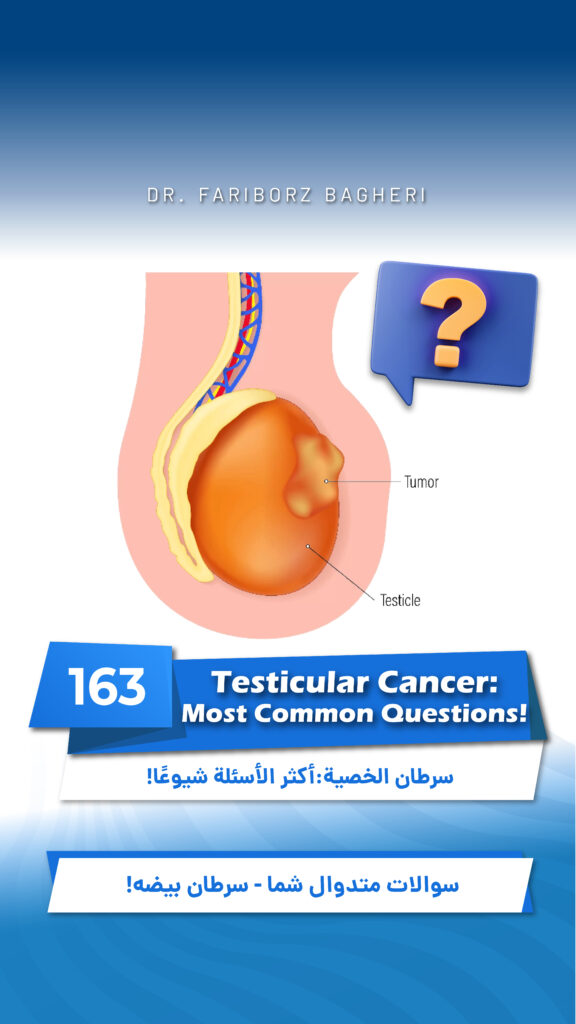
Common Questions About Testicular Cancer are often asked by patients and their families after diagnosis. Understanding how testicular cancer is diagnosed, treated, and followed up can greatly reduce anxiety and help patients make informed decisions about their health.
How Is Testicular Cancer Diagnosed?
Most cases of testicular cancer are first detected through self-examination. If a man notices any lump, swelling, or hardness in the testicles, he should seek medical advice immediately.
The Role of Self-Examination
Regular self-examination increases the chance of early diagnosis, which leads to higher cure rates. A urologist may confirm the diagnosis using ultrasound and blood tests.
Can Testicular Cancer Be Cured?
Yes. Testicular cancer is one of the most curable cancers, even when diagnosed at advanced stages.
Why Cure Rates Are High
Modern treatment methods such as surgery, chemotherapy, and radiotherapy have dramatically improved survival rates.
Living With One Testicle After Testicular Cancer
One of the most common questions about testicular cancer is whether a man can live a normal life with one testicle.
Sexual Life and Fertility
Absolutely. Most men maintain a normal sexual life, and many retain normal fertility after treatment.
Do All Patients Need Chemotherapy or Radiotherapy?
No. Most testicular cancers are cured with surgical removal of the affected testicle followed by careful monitoring.
When Additional Treatment Is Needed
Chemotherapy, radiotherapy, or lymph node dissection is only required in advanced cases or when there is evidence of disease spread.
How Long Should Follow-Up Continue?
Long-term follow-up is essential in testicular cancer management.
Recommended Follow-Up Schedule
Follow-up should continue for at least five years, and preferably up to ten years. Typically, visits occur every three to six months initially and may later reduce to once a year.
Final Thoughts on Common Questions About Testicular Cancer
Understanding the answers to common questions about testicular cancer helps patients feel confident and reassured. With early detection, proper treatment, and regular follow-up, most patients live healthy, cancer-free lives.
ترجمه فارسی:
رایجترین سوالات درباره سرطان بیضه معمولاً پس از تشخیص این بیماری برای بیماران و خانوادههای آنها مطرح میشود. آگاهی درست درباره روند تشخیص، درمان و پیگیری میتواند نگرانیها را به میزان زیادی کاهش دهد.
سرطان بیضه چگونه تشخیص داده میشود؟
بیشتر موارد سرطان بیضه ابتدا با معاینه شخصی شناسایی میشوند. مشاهده هرگونه توده، سفتی یا تغییر غیرطبیعی در بیضهها باید جدی گرفته شود.
نقش معاینه شخصی
معاینه منظم باعث تشخیص زودهنگام و افزایش شانس درمان کامل میشود. پزشک متخصص اورولوژی از سونوگرافی و آزمایش خون برای تأیید تشخیص استفاده میکند.
آیا سرطان بیضه قابل درمان است؟
بله. سرطان بیضه یکی از قابل درمانترین سرطانها حتی در مراحل پیشرفته محسوب میشود.
چرا میزان بهبودی بالا است؟
بهدلیل پیشرفت روشهای درمانی مانند جراحی، شیمیدرمانی و پرتودرمانی، درصد بهبودی بسیار بالا است
زندگی با یک بیضه پس از سرطان بیضه
یکی از رایجترین سوالات درباره سرطان بیضه این است که آیا زندگی عادی با یک بیضه امکانپذیر است یا خیر.
زندگی جنسی و باروری
در بیشتر مردان، زندگی جنسی کاملاً طبیعی باقی میماند و در بسیاری موارد، باروری نیز حفظ میشود.
آیا همه بیماران به شیمیدرمانی یا پرتودرمانی نیاز دارند؟
خیر. اکثر موارد سرطان بیضه تنها با برداشتن بیضه آسیبدیده و پیگیری منظم درمان میشوند.
چه زمانی درمان تکمیلی لازم است؟
در موارد پیشرفته یا در صورت گسترش بیماری، ممکن است شیمیدرمانی، پرتودرمانی یا جراحی غدد لنفاوی توصیه شود.
پیگیری سرطان بیضه تا چه مدت باید ادامه یابد؟
پیگیری منظم یکی از مهمترین بخشهای درمان سرطان بیضه است.
برنامه پیگیری پیشنهادی
پیگیری باید حداقل ۵ سال و ترجیحاً تا ۱۰ سال ادامه داشته باشد. معمولاً مراجعات هر ۳ تا ۶ ماه و در مراحل بعدی سالانه انجام میشود.
جمعبندی رایجترین سوالات درباره سرطان بیضه
پاسخ به رایجترین سوالات درباره سرطان بیضه نشان میدهد که این بیماری با تشخیص زودهنگام و درمان صحیح، کاملاً قابل کنترل و درمانپذیر است
Watch on YouTube: https://youtube.com/shorts/OyhNk-gfC30?feature=share
Watch on Instagram: https://www.instagram.com/p/DTBBKbnCREH/